














Learning with Intentionality: Turning Knowledge into Purposeful Growth

In today's world, learning opportunities are everywhere. With thousands of free online courses, webinars, books, podcasts, and videos available at our fingertips, it has never been easier to learn something new. Yet, despite this abundance, many people consume information without a clear purpose. They collect certificates, attend countless events, and bookmark resources they never return to.
The question is no longer "Are you learning?" but rather "Are you learning with intentionality?"

What Does It Mean to Learn with Intentionality?
Intentional learning is the practice of pursuing knowledge with a clear goal in mind. Instead of learning simply because something is popular or available, intentional learners ask themselves:
-
Why am I learning this?
-
How will this knowledge improve my life, career, or community?
-
What action will I take after learning?
-
How does this connect with my long-term goals?
Learning becomes more meaningful when every course, book, or conversation contributes to a bigger vision.
The Difference Between Being Busy and Growing
Many people mistake constant activity for progress. They register for every webinar, download every free eBook, and enroll in multiple online courses simultaneously. While enthusiasm for learning is admirable, scattered learning often leads to information overload rather than transformation.
Intentional learners understand that depth is often more valuable than quantity. They choose fewer opportunities, engage more deeply, practice consistently, and apply what they learn.
Knowledge that is never applied remains untapped potential.

Learning Beyond Certificates
Certificates can open doors, but they do not guarantee competence. Employers, communities, and organizations increasingly value people who can solve problems, communicate effectively, think critically, and collaborate with others.
The real reward of learning is not the certificate at the end of the course—it is the person you become during the journey.
Ask yourself:
-
Can I teach someone else what I have learned?
-
Can I use this knowledge to solve a real challenge?
-
Has this learning changed how I think or act?
If the answer is yes, then your learning has created impact.

Develop a Learning Plan
Just as successful organizations have strategic plans, every learner should have a personal learning roadmap.
Consider identifying:
-
Skills you need within the next year.
-
Knowledge areas related to your career or passion.
-
Personal habits you want to improve.
-
Opportunities to apply your learning through volunteering, internships, research, or community service.
Learning without direction is like travelling without a destination.
Reflection Is Part of Learning
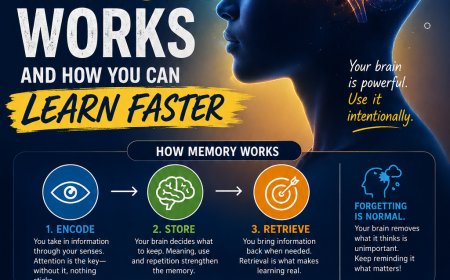
One of the most overlooked aspects of education is reflection. Taking time to think about what you have learned helps strengthen understanding and identify areas for improvement.
After every course or training, ask yourself:
-
What surprised me?
-
What challenged my assumptions?
-
What will I do differently starting today?
-
Who can benefit from what I have learned?
Reflection transforms information into wisdom.

Learning Is a Lifelong Commitment
Education does not end with graduation. Every experience, conversation, project, challenge, and even failure offers an opportunity to learn.
The most successful people remain curious. They embrace new ideas, adapt to changing realities, and continue investing in their personal and professional growth.
Intentional learners understand that learning is not about keeping up with everyone else—it is about becoming the best version of themselves.
Final Thoughts
As you pursue your next course, fellowship, scholarship, or professional development opportunity, remember that the goal is not simply to accumulate knowledge. The goal is to transform knowledge into meaningful impact.
Learn with curiosity.
Learn with purpose.
Most importantly, learn with intentionality.
Reflection Question
What is one skill or area of knowledge you will intentionally invest in over the next six months, and how do you hope it will transform your future?
At Eureka Learners Foundation (ELF), we celebrate learning that is purposeful, lifelong, and transformative. Through access to meaningful opportunities, we encourage individuals to grow, lead, and create positive impact in their communities and beyond.
Educate. Empower. Elevate.
What's Your Reaction?










![Watch: The Butterfly Circus [Short Film] featuring Nick Vujicic](https://blog.elfglobal.org/uploads/images/202405/image_140x98_6654b9bc76b8e.jpg)