































The Power of Community-Based Learning in Africa
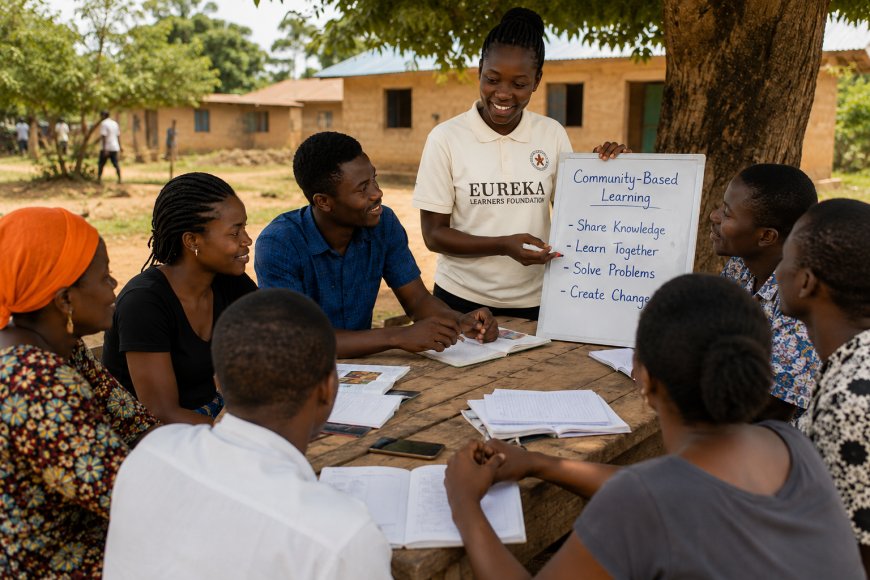
Education is often associated with classrooms, schools, universities, teachers and textbooks. But learning does not only happen inside a classroom. Across Africa, people have always learned from their communities, families, workplaces, cultures and everyday experiences.
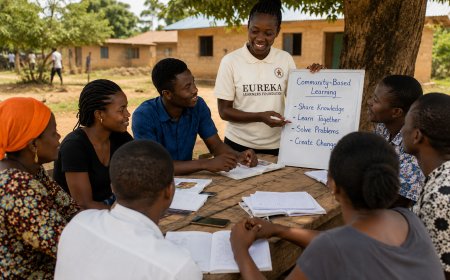
Community-based learning recognizes this reality. It brings learning closer to where people live and connects knowledge with real-life challenges. Instead of simply asking, “What do we know?”, it also asks, “What can we do with what we know?”
What is Community-Based Learning?
Community-based learning is an approach where people learn by engaging with their communities and responding to real community needs.
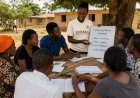
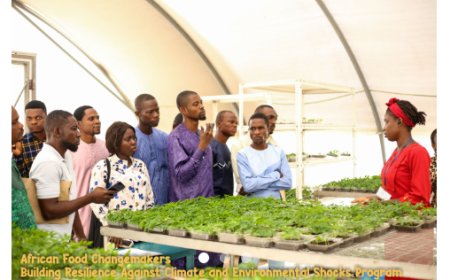
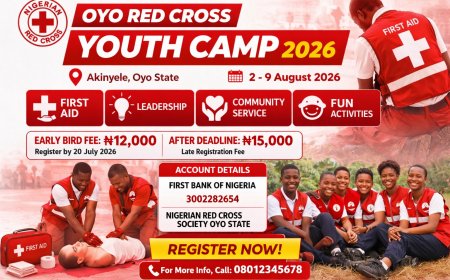
It can take many forms. Young people may learn about leadership by organizing a community project. Volunteers may develop communication and teamwork skills while supporting vulnerable groups. Farmers can exchange knowledge about climate-smart agriculture. Community members can learn digital skills from one another.
The important thing is that learning becomes practical, participatory and connected to people's realities.
Learning From One Another
One of the greatest strengths of community-based learning is that everyone can be both a learner and a teacher.
A young person may have digital skills but little knowledge of traditional community practices. An older community member may have decades of experience in agriculture, conflict resolution or local environmental knowledge.
When these forms of knowledge come together, everyone benefits.
This is particularly important in Africa, where communities possess enormous amounts of indigenous and locally developed knowledge that is sometimes overlooked by formal education systems.
Community-based learning creates opportunities for these different forms of knowledge to meet.
Turning Problems Into Learning Opportunities
Many African communities face challenges such as unemployment, climate change, displacement, limited access to quality education, environmental degradation and social inequality.
These challenges are serious, but they can also become opportunities for learning and innovation.
For example, a community experiencing flooding can bring young people, local authorities, environmental experts and residents together to understand the causes of flooding and develop practical solutions.
The participants are not simply receiving information. They are learning by investigating a real problem and working together to address it.
This makes learning more meaningful.
The Role of Young People
Young Africans are not only beneficiaries of development. They are also important contributors to it.
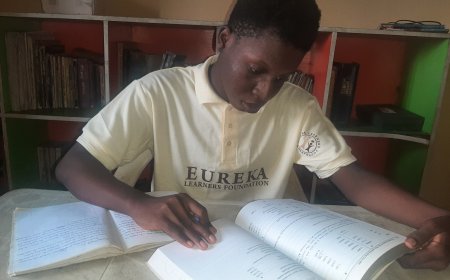
Through volunteering, peer education, community projects, internships and social innovation, young people can develop skills that are difficult to acquire through textbooks alone.
These include:
-
Leadership
-
Communication
-
Teamwork
-
Problem-solving
-
Critical thinking
-
Project management
-
Cultural understanding
-
Digital skills
-
Empathy and active listening
Such experiences can also help young people discover their interests and understand how their knowledge can contribute to society.
Building Communities of Practice
Community-based learning becomes even more powerful when people continue learning together.
This is where communities of practice become important.
A community of practice is a group of people who share an interest, challenge or profession and regularly interact to exchange knowledge, experiences and ideas.
For example, educators can learn from one another about innovative teaching methods. Humanitarian workers can share lessons from field experiences. Volunteers can exchange strategies for community engagement.
The objective is not simply to collect information. It is to learn, relearn, unlearn and apply knowledge together.
Learning for a More Resilient Africa
Africa's future will require people who can adapt, collaborate and learn continuously.
Formal education remains extremely important, but it cannot provide every skill that people will need throughout their lives. Communities themselves can become spaces for continuous learning.
When people are encouraged to share knowledge, experiment with ideas and reflect on their experiences, communities become more resilient.
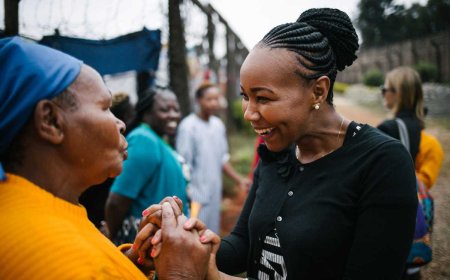
A farmer can teach an entrepreneur. An entrepreneur can teach a student. A student can teach an older person digital skills. A volunteer can learn from a community elder.
Everyone has something to contribute.
From Knowledge to Action
The real value of learning is seen when knowledge leads to positive action.
Community-based learning helps close the gap between knowing and doing. It encourages people to move beyond simply discussing problems and begin experimenting with solutions.
For Africa, this approach offers an opportunity to build development processes around the knowledge, creativity and experiences of local communities.
Learning should not only prepare people to find their place in society. It should also empower them to improve the societies in which they live.
A Call to Learn Together
Community-based learning reminds us that education is not limited by the walls of a classroom.
Every community contains knowledge. Every experience can provide a lesson. Every person has something to teach and something to learn.
If we create more spaces where people can learn from one another, reflect on their experiences and turn knowledge into action, we can build stronger communities and contribute to a more inclusive and resilient Africa.
_______________________________
At Eureka Learners Foundation, we believe that learning should educate, empower and elevate individuals and communities.
The future of learning may not simply be about building more classrooms. It may also be about building communities where everyone has the opportunity to learn, contribute and grow.
What's Your Reaction?









![Watch: The Butterfly Circus [Short Film] featuring Nick Vujicic](https://blog.elfglobal.org/uploads/images/202405/image_140x98_6654b9bc76b8e.jpg)